• Home
  • About Us
    • The Founding Felines
    • Mouse
    • Gingerpaw
    • Sox
    • Hope
    • Sylvester
    • Timtim
    • BB Ginga
    • Tabitha
    • Biscuit
    • Leonora
    • Tomos
  • ......
    • A4 Single Prints (Portrait)
    • A6 Greeting Cards
    • A4 Single Prints (Landscape)
    • Artists Process
  • ......
    • Diesel
    • Vinnie
    • Tippy
    • Dennis
  • .....
    • Sponsor a Cat
    • Donations
  • Supporters
  • Adoptions
  • Blog

When Compassion became Controversial


When Compassion Became Controversial

There was a time when most people saw a cat and simply saw a cat.

A creature that shared our homes, curled in sunny windows, purred on cold nights, and sometimes survived against incredible odds on the streets. Cats were loved, pitied, admired, or occasionally ignored. But they were rarely hated.

Then something changed.

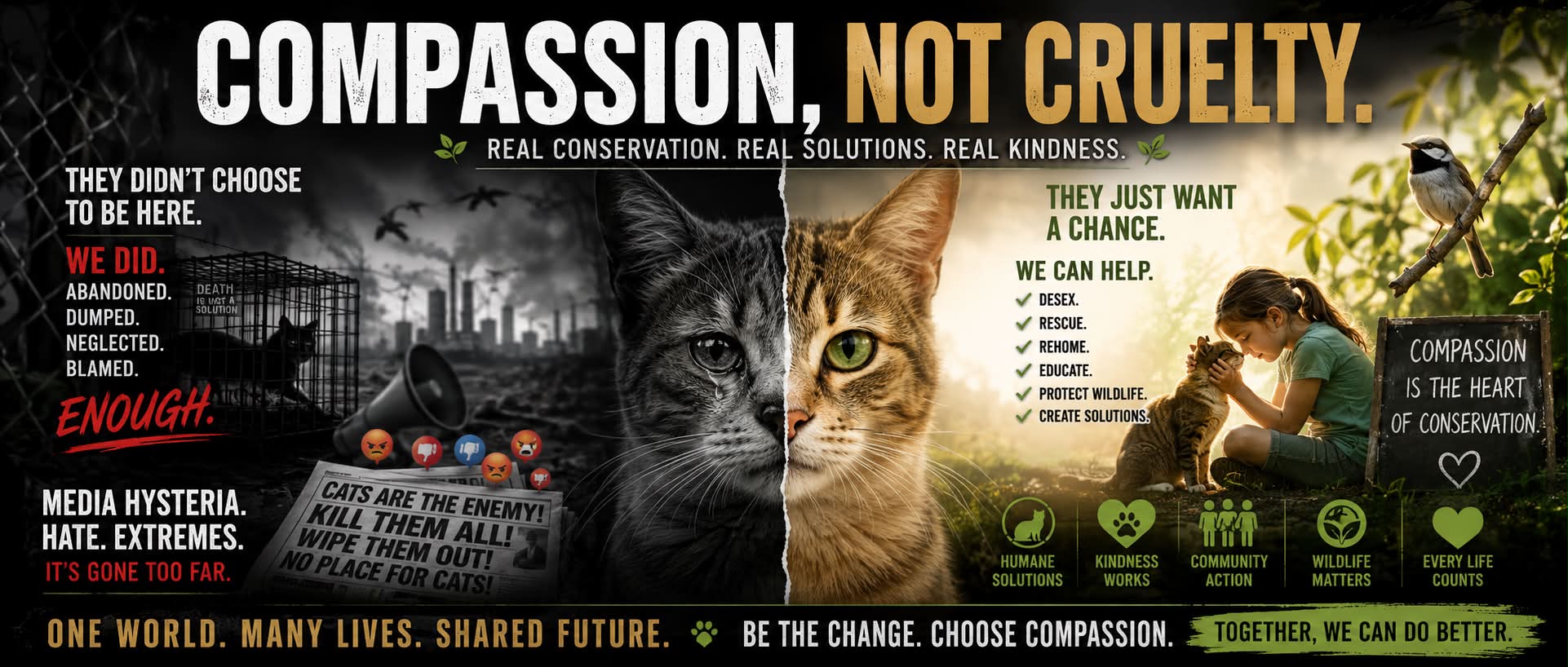
As conservation concerns grew, the conversation around cats began to shift. At first, it seemed reasonable enough. Scientists studied wildlife declines. Conservationists raised concerns about predators. Communities discussed how to protect vulnerable species.

These were important conversations. But somewhere along the way, the discussion stopped being about balance and solutions. It became about blame.

Headlines became more dramatic. Social media rewarded outrage. Nuanced discussions were drowned out by shocking claims and emotional arguments. Cats were increasingly portrayed not as animals following their instincts, but as villains responsible for every environmental problem.

People who cared for stray cats found themselves accused of harming wildlife simply because they offered food to a hungry animal. Volunteers who spent their own money desexing cats were criticised rather than supported. Rescue groups were labelled part of the problem despite preventing thousands of unwanted litters.

The language became harsher.

What had once been discussions about management and responsibility became calls for eradication. Compassion was dismissed as weakness. Anyone who questioned extreme measures was accused of caring more about cats than native species.

Yet lost in the noise was a simple truth. Cats did not create themselves. They did not decide to be abandoned. They did not choose to be dumped at rubbish tips, left behind when families moved, or born into generations of neglect. They did not write the policies, build the cities, clear the forests, or introduce themselves to countries where they did not originally exist.

Humans did all of that. And now, rather than accepting responsibility, many preferred to place all the blame on the animals least capable of defending themselves.

The irony was that the people working hardest to help cats were often the same people advocating for practical solutions. They supported desexing programmes. They worked to reduce populations humanely. They spent countless hours trapping, treating, and rehoming animals so that fewer cats would be born into lives of hardship.

Their goal was not endless colonies. Their goal was fewer homeless cats. Yet they often found themselves attacked from both sides. Too compassionate for those demanding lethal solutions. Too realistic for those unwilling to acknowledge ecological concerns.

Meanwhile, the cats remained exactly what they had always been. Animals. Not evil. Not malicious. Not masterminds of environmental destruction. Just animals trying to survive.

The tragedy of the debate is not that people care about wildlife. We should care deeply about wildlife. The tragedy is that somewhere along the way, caring about wildlife became, for some, a justification for abandoning compassion.

As if concern for one species required hatred of another. But true conservation has never been about cruelty. True conservation is about responsibility.

It is about recognising that environmental problems are complex, that ecosystems matter, and that suffering matters too. It is about finding solutions that reduce harm wherever possible rather than celebrating it when it occurs. Because a society should be judged not only by how it protects its most vulnerable wildlife, but also by how it treats its most vulnerable animals.

And perhaps one day we will remember that compassion is not the enemy of conservation.

It is the thing that makes conservation worth fighting for in the first place.

 att.G8vpCimPBfCCKnlZN4x9Gy eqROC6qQAUapyNP3 yoE

Where does the money go??


Where the Money Goes

Let’s talk about where the money goes.

Because from the outside, it can look like there’s some kind of steady support keeping things moving. But that’s not really how this works.

There’s no regular funding stream here. No reliable weekly income for the work being done. Just a couple of generous supporters helping in practical ways — litter supplied by one, kibble by another — and everything else filled in quietly from somewhere else entirely.

Wet food is still bought as needed. Along with fuel, vet costs, traps, bait, and all the small ongoing expenses that don’t look like much on their own, but never really stop adding up.

Then there’s the reality of the work itself.

Cats don’t arrive in neat schedules. They come and go on their own terms. Some days nothing happens. Other days everything happens at once,  like cameras constantly triggering, traps needing resetting, food disappearing faster than expected, and plans changing hour by hour.

And when a cat finally does need vet care, it’s never predictable. Desexing, injuries, illness,   the kind of things that can’t wait, and don’t adjust themselves to whatever else is going on.

So the money doesn’t disappear.

It gets absorbed immediately into whatever is happening right now,  feeding, trapping, travel, vet work, equipment, and the constant in-between costs that come with trying to stay one step ahead of a moving situation.  And when that runs out, the gap is quietly covered the only way it can be: through personal cost, time, and persistence.

There was a couple of small donations recently.  By a couple of sales of my art cards,  plus a couple of straight donations....That helped. It genuinely did. But it also highlights how rare that kind of support is, and how much relies on stretching everything as far as it will go.

This isn’t a funded operation.  It’s a patchwork system held together by practical support where it exists, personal input where it doesn’t, and a constant cycle of problem-solving that doesn’t really pause.

But there are still the wins. A trap finally works at the right moment. A cat that’s been avoiding everything slips up just once. A small success that turns into a real outcome instead of another missed chance.

And that’s what keeps it going.  Not because it’s funded.

But because it still works — just often enough to matter.

att.x77VZ5xV9XEmI g99uKoytMygCpia3zA9UEpFWvTClQ


Three Cats, Three Different Journeys

Three Cats, Three Different Journeys

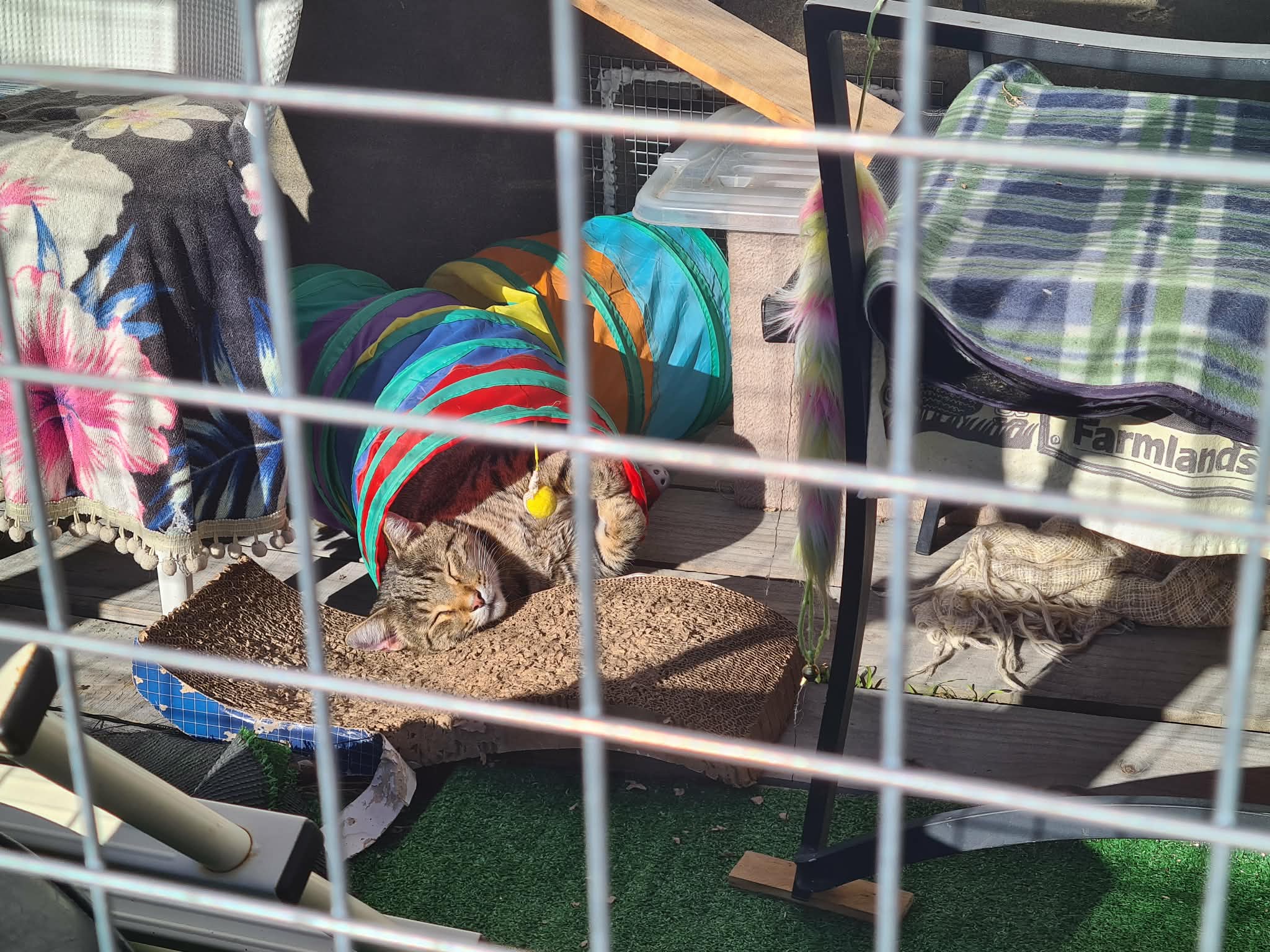
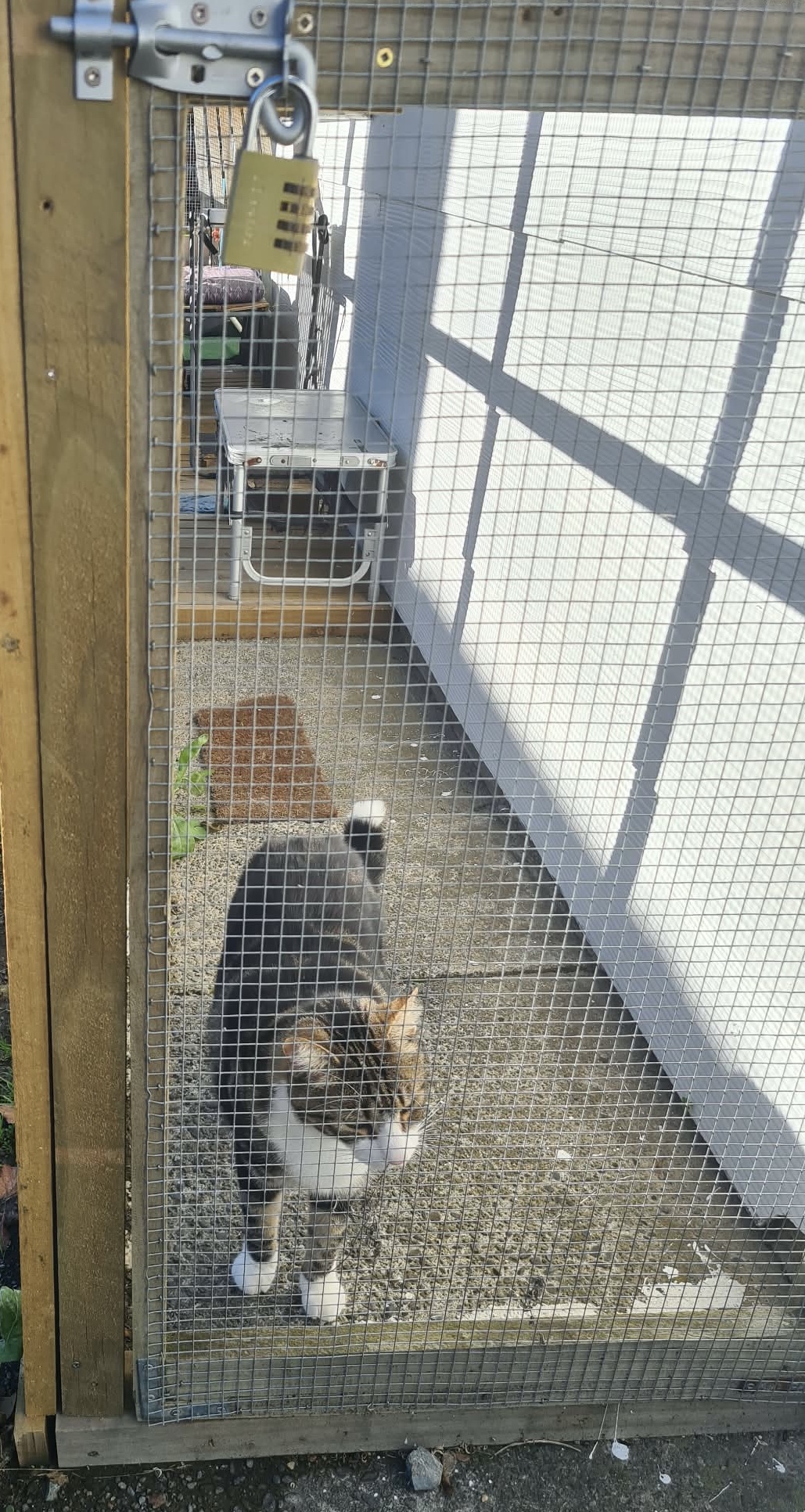
When BB, Biscuit and Tabitha first arrived, they had one thing in common: they wanted absolutely nothing to do with people.

Each cat responded differently to captivity. BB became the quiet observer. He would watch everything from a safe distance, always cautious, always ready with a hiss if anyone got too close. Yet over time, small cracks began to appear in his tough exterior. These days he watches for treats, and recently he even forgot himself and started purring before realising what he was doing.

Biscuit chose a different approach. He became the complainer. Every crate clean-out is accompanied by growling and strong opinions about litter trays, blankets and anything else that has been moved without his permission. Despite his protests, he is becoming more predictable and less reactive, and he never misses the opportunity for a creamy treat left behind after the morning chores.

Then there is Tabitha. Quiet, watchful and often overlooked, she has steadily gained confidence at her own pace. While the boys draw attention with their antics, Tabitha quietly observes, emerging more often and becoming increasingly comfortable in her surroundings.

Recently, something happened that would have been hard to imagine when they first arrived. After the morning clean-up and feeding routine, all three cats emerged from hiding within minutes of me leaving. The cameras captured them moving around, exploring, grooming and simply being cats.

It may not sound like much, but progress with feral cats is rarely dramatic. It comes in small moments: a cat appearing sooner than expected, a relaxed posture, a forgotten purr, or simply the confidence to step out into the open.

BB, Biscuit and Tabitha are still wary of people. They are still feral. But every day they show a little more curiosity, a little more confidence and a little less fear than the day before.

For now, that’s enough.


The Joys and Frustrations of Trapping


The Joys of Trapping

People who have never trapped a cat have a wonderfully simple idea of how it works.

You put out a trap. A cat walks in. The trap shuts.

Everyone goes home happy.

I would like to personally invite those people to spend a Sunday evening with me.

The reality of trapping is a strange mix of patience, persistence, excitement, frustration, and occasionally questioning whether the cats are actually smarter than the humans.

There are the success stories, of course. Those magical moments when everything goes exactly to plan. The cat walks in, the trap fires, and suddenly a cat that has spent months or years surviving outdoors is safely on the way to being desexed and cared for. Every successful trap is a victory, not just for that cat, but for all the kittens that won’t be born into a hard life of struggle.

Those moments make all the effort worthwhile.

Then there are the “almosts”.

The cats that approach the trap, sniff every corner of it, stare suspiciously at it for twenty minutes, and then walk away as if they’ve just completed a full health and safety inspection.

The cats that put one paw in. Then another. Then suddenly decide that perhaps today is not the day. And back out again.

Then we have the cheaters. Every trapper knows the cheaters.

These are the clever cats that somehow manage to get the food without actually standing where they’re supposed to. The ones that stretch their necks to impossible lengths, hook food towards themselves with a paw, or discover ways to move bait into places where the trigger plate can’t do its job.

You watch the camera footage later and wonder if they’re secretly sharing tips with each other.

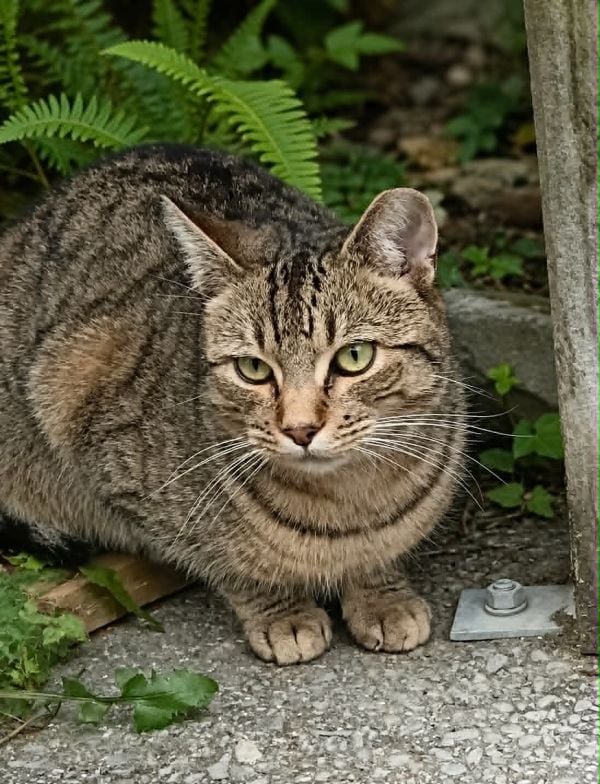
And then there are the smart old tom cats. The big experienced fellows who didn’t get to be old by making bad decisions. They approach cautiously. They watch. They think. They analyse.

Sometimes I am convinced they are calculating the trap’s engineering specifications before making a move.

One particular ginger tom recently demonstrated this beautifully.
The first time he entered the trap, he backed out before it could fire. The second time, another ginger cat managed to trigger the trap but escaped before being caught.

Then the original ginger returned. He walked all the way inside. Stood on the trigger plate. Ate the food. Stayed there. Ate some more. And the trap did absolutely nothing. Not a thing.

At this point I began to suspect that the trap and the cat had entered into a private agreement without consulting me.

Eventually I had to go outside, turn on the light, and personally evict a cat from a trap that was refusing to trap cats. The cat left.

The trap remained open. My blood pressure did not. Of course, sometimes the trap won’t fire.

Sometimes it fires too soon. Sometimes a cat manages to escape. Sometimes the bait disappears. Sometimes the cat disappears. Sometimes the camera alerts go off all night long for every creature except the one you’re hoping to catch. And yet somehow we keep trying.

Because behind every frustrating evening spent staring at security footage is the possibility that tonight might be the night.

Tonight might be the cat that finally walks in. Tonight might be the one that has been avoiding the trap for weeks. Tonight might be the one that changes the future for countless kittens yet to be born. Trapping isn’t glamorous. It’s often frustrating. It’s occasionally ridiculous. And it frequently leaves you muttering at inanimate objects. But every success matters. Every cat safely trapped matters.

And while the clever toms, the cheaters, the near misses, and the malfunctioning traps may occasionally win a battle, the trappers keep showing up.

We reset the trap.Check the camera. Top up the bait. And wait.
Because sooner or later, one of those cats makes a mistake.

And when that trap finally closes behind them, every frustrating, hilarious, exasperating moment suddenly becomes worth it.


Page 2 of 2

  • 1
  • 2


© Quiet Paws Creations ~ All Rights Reserved